

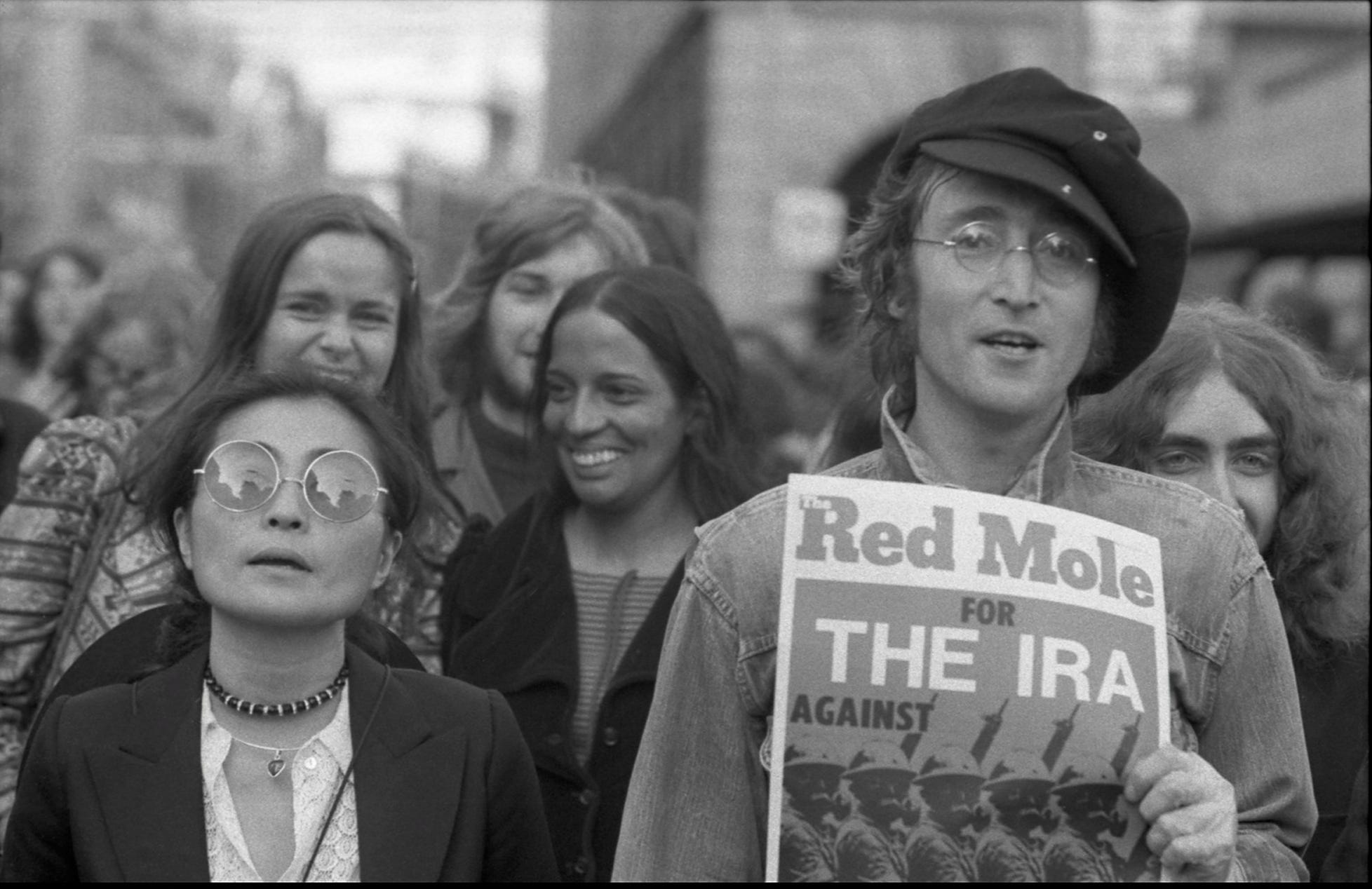
Revolutionary socialist groups face a fundamental challenge: intervening effectively in immediate struggles while simultaneously building the consciousness and organisational strength necessary for fundamental societal change. This case study examines how the International Marxist Group (IMG), as documented in the first 53 fortnightly issues of The Red Mole, grappled with this challenge, seeking to balance the crucial elements of agitation, education, and organisation.
Articles in Red Mole indicate that the IMG saw itself as a revolutionary Marxist group aiming for a socialist revolution led by the working class [March 17, 1970, April 1, 1970, Nov 29, 1971]. Their activity across various campaigns demonstrates a multi-pronged approach designed to engage with immediate struggles, raise political understanding, and build independent revolutionary forces.
Agitation: Mobilising and Linking Struggles
As documented throughout The Red Mole, a core function of the IMG was active agitation – participating in, promoting, and helping to organise struggles [March 17, 1970, April 1, 1970, May 14, 1970, Oct 16-31, 1970, Jan 16-31, 1971, Nov 29, 1971, Jan 24, 1972, Oct 2, 1972]. This involved mobilising people and seeking to link disparate battles into a broader movement.
Direct Action & Solidarity
The Red Mole consistently advertised and reported on demonstrations, rallies, and solidarity events [e.g., March 17, 1970, May 1, 1970, May 14, 1970, Jun 1-15, 1970, Feb 1-15, 1971, Nov 1971]. Prominent examples include calls for and reports on Irish Solidarity marches [March 17, 1970, May 14, 1970, Jul 1970, Nov 1971, Jun 26, 1972], protests against the Immigration Act and racist attacks [May 1, 1970, May 14, 1970, Jun 1-15, 1970, Sep 15, 1970, Oct 16-31, 1970, Feb 1-15, 1971, Jan 24, 1972, Jul 24, 1972], and solidarity with international struggles, such as Vietnam [March 17, 1970, May 14, 1970, Jun 1-15, 1970, Jul 1970, Feb 1-15, 1971, Nov 1971, May 15, 1972] and political prisoners in Czechoslovakia [March 17, 1970, Feb 16-28, 1971]. Their presence at events like the Glasgow Irish Solidarity march where police intervened is noted [Feb 1-15, 1971].
Linking Student and Worker Struggles
A key area of agitation involved efforts to forge links between students and the working class. The London Conference for the Defence of Student Unions (LCDSU), heavily reported on in Red Mole [May 1, 1970, Jun 26, 1972, Oct 2, 1972], explicitly aimed to build a student organisation tied to the working-class struggle [May 1, 1970, Oct 2, 1972]. The IMG participated in student solidarity campaigns with workers, such as those at Warwick [May 1, 1970]. Red Mole reported on student actions like the Swansea occupation and LSE occupation [May 1, 1970], often highlighting the potential for student struggles to become part of the wider class struggle [May 1, 1970].
Industrial Agitation
While Red Mole features many industrial struggles [e.g., reporting on miners, dockers, UCS, engineers, transport workers] [Jun 1-15, 1970, Sep 15, 1970, Nov 29, 1971, Jan 10, 1972, Feb 7, 1972, Feb 28, 1972, Mar 13, 1972, Jun 5, 1972, Jul 24, 1972], the IMG's role here often appears to be through solidarity and political intervention [May 1, 1970, Jun 1-15, 1970, Sep 15, 1970, Nov 29, 1971, Jan 10, 1972, Feb 7, 1972, Feb 28, 1972, Mar 13, 1972, May 1, 1972, Jun 26, 1972, Jul 24, 1972, Oct 2, 1972, Oct 16, 1972]. They advocated for united action against the government's pay plan and the Industrial Relations Act [Sep 15, 1970, Feb 7, 1972, Feb 28, 1972, May 1, 1972, Jun 5, 1972, Jun 26, 1972, Jul 24, 1972, Oct 2, 1972, Oct 16, 1972]. They sought to connect these industrial battles to the broader political struggle against capitalism and the state [May 1, 1970, Sep 15, 1970, Nov 29, 1971, Jan 10, 1972, Feb 7, 1972, Feb 28, 1972, Mar 13, 1972, May 1, 1972, Jun 26, 1972, Jul 24, 1972, Oct 2, 1972, Oct 16, 1972].
Specific Gains
While the overall goal was revolutionary change, agitation sometimes led to specific, albeit limited, successes. Red Mole mentions a 'win' for Pakistani workers at Kent University on wages and conditions, seen as a combination of industrial struggle and resistance to discrimination [May 1, 1970]. The successful 1972 miners' strike is presented in Red Mole as a major victory for the working class against the government's policy [Jan 24, 1972, Mar 13, 1972, Mar 30, 1972].
Education: Challenging Reformism and Advancing Revolutionary Theory
For the IMG, agitation was inseparable from education. The Red Mole served as a primary vehicle for this, providing analysis, critiquing non-revolutionary approaches, and promoting a Marxist understanding of society and the need for revolution [March 17, 1970, April 1, 1970, May 1, 1970, Jun 1-15, 1970, Oct 1-15, 1970, Jan 16-31, 1971, Oct 2, 1972].
Critique of Reformism
A constant theme in Red Mole is the critique of reformist politics and organisations perceived as working within the capitalist system. This includes extensive criticism documented in Red Mole of the Labour Party [Jun 1-15, 1970, Oct 1-15, 1970, no date 1971], the Communist Party (CP) [April 1, 1970, Jan 16-31, 1971, Oct 2, 1972], and the leadership of trade unions and the TUC [Sep 15, 1970, Nov 29, 1971, Jan 10, 1972, Feb 7, 1972, Feb 28, 1972, Mar 13, 1972, May 1, 1972, Jun 5, 1972, Jun 26, 1972, Jul 24, 1972, Oct 2, 1972, Oct 16, 1972]. Red Mole argues that these bodies often hold back or betray workers' struggles [Sep 15, 1970, Nov 29, 1971, Jan 10, 1972, Feb 7, 1972, Feb 28, 1972, Mar 13, 1972, May 1, 1972, Jun 5, 1972, Jun 26, 1972, Jul 24, 1972, Oct 2, 1972, Oct 16, 1972].
Political Analysis
Red Mole published articles explaining Marxist theory [April 1, 1970, Oct 1-15, 1970, Nov 29, 1971], analysing the nature of capitalism and imperialism [May 1, 1970, Jun 1-15, 1970, Jul 1970, Nov 29, 1971, Oct 2, 1972], and discussing specific political issues like racism [May 1, 1970, May 14, 1970, Sep 15, 1970, Oct 16-31, 1970, Feb 1-15, 1971], women's liberation [Jun 1-15, 1970, Sep 15, 1970], and international situations like Ireland [March 17, 1970, May 14, 1970, Jul 1970, Jun 26, 1972]. The aim was to provide a revolutionary understanding of these struggles.
Raising Consciousness
Red Mole frequently discusses the need to raise political consciousness among workers and students [May 1, 1970, Sep 15, 1970, Jan 24, 1972, Feb 28, 1972]. For instance, in the student movement, Red Mole argued that education was crucial to move students beyond immediate demands and towards a revolutionary perspective linked to the working class [May 1, 1970, Oct 2, 1972]. Red Mole mentions that part of the purpose of the paper was to explain structural racism and the necessity of independent organisation [May 1, 1970].
Organisation: Building Independent Forces
Underpinning both agitation and education was the imperative of organisation. The IMG sought to build its own ranks and foster independent activist organisations tied to a revolutionary perspective [May 1, 1970, Jun 1-15, 1970, Feb 1-15, 1971, Jan 24, 1972, Jun 26, 1972, Oct 2, 1972].
Building the IMG
Red Mole contains contact information for Red Circles (IMG branches) across the country [March 17, 1970, Jun 1-15, 1970, Jul 1970, Aug 1970, Sep 15, 1970, Oct 16-31, 1970, Feb 1-15, 1971, Jan 16-31, 1971, May 15, 1972, Jun 5, 1972, Jul 24, 1972, Oct 2, 1972, Oct 16, 1972] and calls for readers to join the IMG or connect with local militants [March 17, 1970, Jul 1970, Aug 1970, Sep 15, 1970, Oct 16-31, 1970, Feb 1-15, 1971, Jan 16-31, 1971, May 15, 1972, Jun 5, 1972, Jul 24, 1972, Oct 2, 1972, Oct 16, 1972]. This demonstrates a clear focus on recruiting and building the revolutionary party.
Fostering Independent Organisations
Beyond the IMG itself, there was a strong emphasis on building democratic, activist organisations in specific sectors, independent of reformist structures [May 1, 1970, Jun 1-15, 1970, Feb 1-15, 1971, Jan 24, 1972, Jun 26, 1972, Oct 2, 1972]. The LCDSU is a prime example – an organisation initiated and promoted by the IMG/Red Mole specifically to provide an independent revolutionary alternative to the NUS [May 1, 1970, Jun 26, 1972, Oct 2, 1972]. Similarly, Red Mole contains calls for building independent working-class organisation free from the control of perceived bureaucratic trade union leaders [Sep 15, 1970, Feb 7, 1972, Feb 28, 1972, Mar 13, 1972, May 1, 1972, Jun 5, 1972, Jun 26, 1972, Jul 24, 1972, Oct 2, 1972, Oct 16, 1972].
The Balancing Act and the Measure of Success
Articles in Red Mole suggest that the IMG viewed these three elements as interdependent [May 1, 1970, Sep 15, 1970, Nov 29, 1971, Oct 2, 1972]. Agitation provided the context for education and organisation. Education informed political action and the building of correct organisations. Organisation was necessary to carry out effective agitation and consolidate political gains.
For the IMG, as seen particularly in the detailed reporting on the LCDSU in Red Mole [May 1, 1970, Jun 26, 1972, Oct 2, 1972], success was not measured solely by achieving immediate reforms [May 1, 1970, Oct 2, 1972]. While supporting immediate demands (like better pay for workers or defence of student unions), true success lay in building revolutionary organisation and raising political consciousness within the masses [May 1, 1970, Sep 15, 1970, Nov 29, 1971, Oct 2, 1972].
The campaign to build the LCDSU provides a clear illustration of this approach. The IMG agitated by organising conferences and intervening in student struggles related to the LCDSU [May 1, 1970, Jun 26, 1972, Oct 2, 1972]. They educated by providing a Marxist analysis of the student condition and critiquing the reformism of the NUS [May 1, 1970, Oct 2, 1972]. Crucially, they organised by working explicitly to build the LCDSU as a distinct, politically revolutionary body linked to the working class [May 1, 1970, Jun 26, 1972, Oct 2, 1972]. Success in this context, as described in Red Mole, meant establishing such an organisation and winning students to a revolutionary program [May 1, 1970, Oct 2, 1972].
Similarly, in anti-racist struggles reported in Red Mole, there are calls for independent working-class and black organisation as essential to effectively combating racism, rather than relying on groups seen as compromised by working within the system [May 1, 1970, Feb 1-15, 1971, Jan 24, 1972, Jul 24, 1972]. Even a local 'win' like that of the Pakistani workers at Kent University is presented in Red Mole in the context of their struggle providing lessons for the necessity of working-class organisation and self-defence [May 1, 1970].
In conclusion, articles in Red Mole portray the IMG's political practice as a deliberate effort to weave together agitation, education, and organisation [May 1, 1970, Sep 15, 1970, Nov 29, 1971, Oct 2, 1972]. Immediate struggles were seen as opportunities to agitate, educate participants about the systemic roots of their problems and the limitations of reformism, and, most importantly, to build the independent revolutionary organisations necessary for the ultimate goal: the overthrow of capitalism and the establishment of socialism [May 1, 1970, Sep 15, 1970, Nov 29, 1971, Oct 2, 1972].